Disabled Card: Empowering Financial Independence
From our Independent Living Clinic: how the right cards and accounts protect benefits, dignity and a future of your own making.
For many in the disability community, money worries are constant. But, the right tools can make a big difference.
A disabled card is more than just a parking pass. It can be a special financial tool, like a True Link Visa or an RDSP account. These tools give people control and freedom.
This guide shows how these tools do more than just provide access. They help with everyday costs, protect benefits, and plan for the future.
It’s not just about a card. It’s about taking back control and building a future of financial independence. By focusing on what people can do, we open up new possibilities.
Understanding the Disabled Card and Its Benefits
For many with disabilities, “disabled card” often means a parking placard. But today, it’s more than that. It includes official IDs, financial tools, and payment technologies. These tools help people manage their lives better and stay independent.
What Is a Disabled Card?
A disabled card is not just for parking anymore. It’s about empowerment. It can be a disabled parking permit or a financial tool. For example, the Registered Disability Savings Plan (RDSP) in Canada helps with long-term savings.
Tools like the True Link card manage funds from special needs trusts. The Mastercard Touch Card is for the blind and partially sighted. So, a disabled card is any tool that gives access, security, and financial control.
Key Features and Advantages of Disabled Cards
These tools help people be independent. A handicap card for parking is key. Financial tools like the True Link card let people spend safely while keeping benefits.
For those managing special needs trusts, a dedicated card helps control funds. It lets users make purchases on their own, boosting dignity and self-sufficiency. The Mastercard Touch Card is a great example of inclusive design, helping those with visual impairments pay by themselves.
Who Is Eligible for a Disabled Card?
Eligibility varies by card type. For a disabled parking permit, you need a doctor’s note. But for financial tools, it’s different.
Programs like the RDSP are for those with the Disability Tax Credit. Financial tools, like the True Link card, are for special needs trust beneficiaries or those with a representative payee. Eligibility is based on financial need and planning for the future.
Types of Disabled Cards Available
Understanding the different cards and permits is key. They are not all the same. They help with physical access and managing money. This section explains the main types, so you can find what you need.
State-Specific Disabled Cards
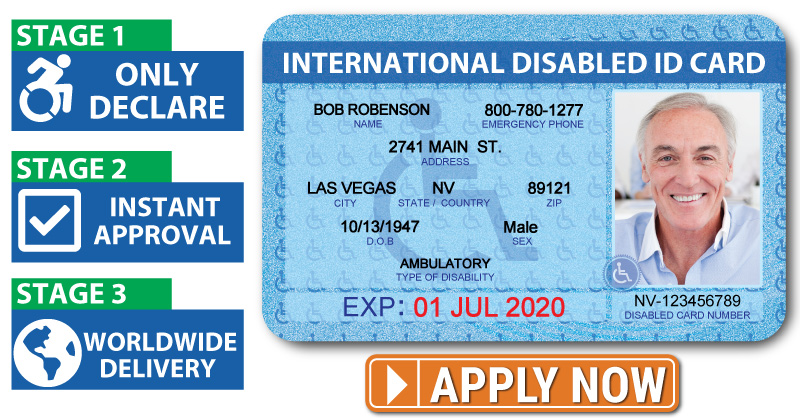
Each state has its own disabled ID card or placard. This disabled ID card or placard is important for parking. It’s often the first card someone gets.
These cards, like a disabled badge for your car, let you park in special spots. The rules and benefits vary. Some states offer cheaper licenses or special plates.
To get one, apply at your local Department of Motor Vehicles (DMV) or similar office. They need proof of disability from a doctor.
Federal Programs and Assistance
On the federal side, there’s help that’s not physical but is linked to a card. People on Social Security Disability Insurance (SSDI) or Supplemental Security Income (SSI) might get a Direct Express card for their benefits.
Programs like ABLE accounts are big deals. They’re special savings accounts for disability-related costs. Even though it’s not a physical card, you use a debit card to make qualified purchases.
Medicare and Medicaid also offer cards for healthcare. These programs are a big help with money and health.
Comparison Between Disabled Cards
Cards and permits are for different things. An official disabled ID card for parking is different from a card for managing money. The table below shows the main types.
| Card/Permit Type | Primary Purpose | Issuer | Primary Users |
|---|---|---|---|
| Official ID/Parking Placard | Parking access, identification, fee waivers | State DMV or State Government | Individuals with mobility, sensory, or invisible disabilities |
| Gov’t Financial Tools (e.g., ABLE, SSI) | Financial management, tax-advantaged savings, benefit distribution | Federal/State Government Agencies | Beneficiaries of SSI, ABLE account holders |
| Private Financial Tools (e.g., True Link, Mastercard Touch Card) | Guarded spending, trust management, accessible payment cards | Financial Institutions & Tech Companies | Individuals with trustees, cognitive disabilities, or dexterity challenges |
The Mastercard Touch Card is a private innovation. It has notches and bumps for the visually impaired to tell it apart from other cards.
Private solutions like True Link Financial offer more. They help with special needs trusts. For example, a trustee can set rules on a card for a beneficiary, making sure money is spent right.
Choosing the right card is all about what you need. A state-issued disabled badge is for parking, while a private card controls spending. Federal programs offer a safety net.
How to Apply for a Disabled Card
Getting a disabled card is easier when you know the steps and what you need. You might need a state parking pass or a financial card like the True Link card. You’ll need to gather documents, fill out forms, and sometimes deal with government or financial systems. This guide will help you or a loved one get the right disabled card.
Required Documentation for Application
First, collect the important documents. For a parking pass, you’ll need a form, ID, and a doctor’s note. The doctor’s note must explain your disability and why you need parking help.
For a True Link card, you’ll need ID, guardianship papers, and trust documents. If you’re managing a card for someone else, you’ll need proof of their government benefits or income.
Steps to Navigate the Application Process
The application process changes based on the card type. For a parking pass, here’s what to do:
Step 1: Get the application from your state’s DMV website or office. Many states have online forms.
Step 2: Have your doctor fill out the medical part. They need to sign and show their license number.
Step 3: Send in the form, doctor’s note, and any fees to the DMV or state agency.
For a True Link card, the steps are different. You’ll need to:
Step 1: Choose the right account type. For example, Paula set up a card for her son to manage his SSI.
Step 2: Collect documents like guardianship papers, trust documents, and ID.
Step 3: Set up a funding account, spending rules, and alerts as shown in the True Link setup.
Common Challenges and How to Overcome Them
Applicants often face issues like complex forms or medical problems. A big challenge is getting a doctor to fill out the right form. Tell your doctor about the state’s specific needs beforehand.
For financial cards, setting up spending controls can be tough. For example, Brad had to block certain merchants on his son’s card. Customer support can help set up the right spending limits.
Another issue is getting the right guardianship or trust documents. If you’re managing a card for someone else, make sure your papers are up to date. For complex cases, consider getting help from a disability rights advocate.
If your parking pass application is denied, contact your state’s DMV. They can explain what’s missing from your doctor’s form.
Maximizing the Use of Your Disabled Card
Getting a disabled card or parking pass is a big step. The real power is in using these tools well to live a stable, independent life. This section offers tips on managing money, finding support, and learning from others’ success.
Tips for Managing Your Finances
Smart money management is essential. Use your card to make a budget. For example, you can limit spending in certain areas like art supplies or groceries. This helps avoid overspending.
Also, set up alerts to watch your spending. This is a great way to keep track of your money and spot any problems early. This information is also useful for your annual reviews for programs like SSI or Medicaid.
Resources for Ongoing Support
You’re not alone in this journey. Groups like The Arc and the National Disability Institute (NDI) offer help and advice. For federal and state programs, check official websites like the Social Security Administration or your state’s Department of Rehabilitation.
It’s also wise to talk to a financial planner who knows about special needs planning. They can help you understand the rules for benefits and trusts.
Real-Life Success Stories
Many people have changed their lives with these tools. Laurie, for example, used a Registered Disability Savings Plan (RDSP) to secure her daughter’s financial future. She turned small savings into a big nest egg.
David managed his own budget with a prepaid card, gaining independence. Families like Brad’s used tools to manage a loved one’s trust. Others protected their SSI benefits with a special spending card.
From getting a blue badge for easier access to using a dedicated account for your financial life, the right tools can give you freedom. By using your card wisely, finding the right support, and learning from others, you can create a more secure and independent future.
FAQ
What is a “disabled card,” and is it just for parking?
Who is eligible for a disabled parking permit or placard?
What’s the difference between a disabled parking permit and a financial card like the True Link card?
How can a specialized financial card help protect my government benefits?
What is a special needs trust card, and how does it work?
How do I apply for a disabled parking placard or license plate?
I manage a trust for a family member. How can a specialized card help me?
What is the Mastercard Touch Card, and how is it different?
What is an ABLE account, and how does a card work with it?
What should I do if my application for a disabled parking permit is denied?
Where can I find more resources or get help with these financial tools?
Resources mentioned
This piece references and recommends: disabled card.
We share these because our practitioners trust them — not because we’re paid to.
This is exactly the kind of thing we sit with.
If anything here landed close to home, the first conversation is free, unhurried, and entirely yours.
Book a first conversation